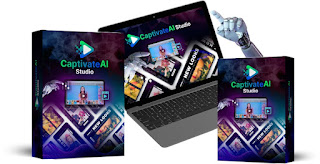
Turn Any Keyword Into Hyper-Engaging Reels In 4 Clicks | Captivate AI
"Unlock Hyper-Engaging Reels and Boost Your Traffic with Captivate AI!" Imagine having captivating, professional-looking Reels tha...

"Unlock Hyper-Engaging Reels and Boost Your Traffic with Captivate AI!" Imagine having captivating, professional-looking Reels tha...

Unlock your business's true potential with lightning-fast, conversion-focused funnels and websites. Struggling to build an online presen...

The Future Of Website & Domain Hosting Just Arrived… Introducing HostMaster. First-To-Market App Lets You Host Unlimited Domains & W...

Boost your website's visibility now! SERPBOT your ultimate SEO companion, providing in-depth keyword research and real-time ranking ins...

Create smart multi-step forms for your WordPress website with artificial intelligence and win more ready-to-buy customers, acquire the right...
If You Don't Have A Blogs & Websites, You Can't Make Money! It's very simple… If you don't have a SEO optimized Blogs &a...
Imagine effortlessly creating and selling captivating content for any niche without any prior skills or experience. Take your business to ne...

Imagine Getting Bitcoin & Ethereum Daily… For 100% Free… Bitcoin is going to the moon right now… And now, is the perfect time to OWN so...

Stand out with stunning covers! EcoverPal AI is your all-in-one solution for creating eye-catching covers for all your digital needs. From e...
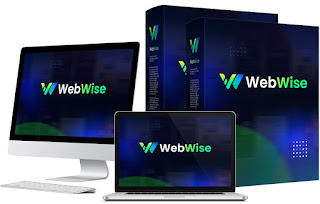
Every business needs attention grabbing websites that are threat protected as well as loaded with fresh content to convert random website vi...
![Unlock the power of AI for FREE buyer traffic! [Google Loophole] | AI Buyer Traffic Bot](https://blogger.googleusercontent.com/img/b/R29vZ2xl/AVvXsEi8OiAAucspSsctSiKvric3SP7pgyFqLZ611eQt-CoDskHGxrW9QFKiJL8EzcNe4ttcD_CKj9jvuilhlrSNIDXe6DLzssnbQfKllF0BHGjkr_TN8CzwFwzRxe3c1c4_dUG53ErZl0C7gQDIen17gjV8EcfT6TSdXUMyjCLCcmlxyMUB5qb4NloK8SC5DPQ/w320-h180/Copy%20of%20Copy%20of%20Blue%20Purple%20Cartoon%20Tips%20Boost%20Your%20Productivity%20Instagram%20Post%20(1).png)
To Profit In 2024... You Need Just 3 Things... Free Traffic. More FREE Traffic.. ..And MORE FREE TRAFFIC. And in 2024, the king of tra...

.png)

